
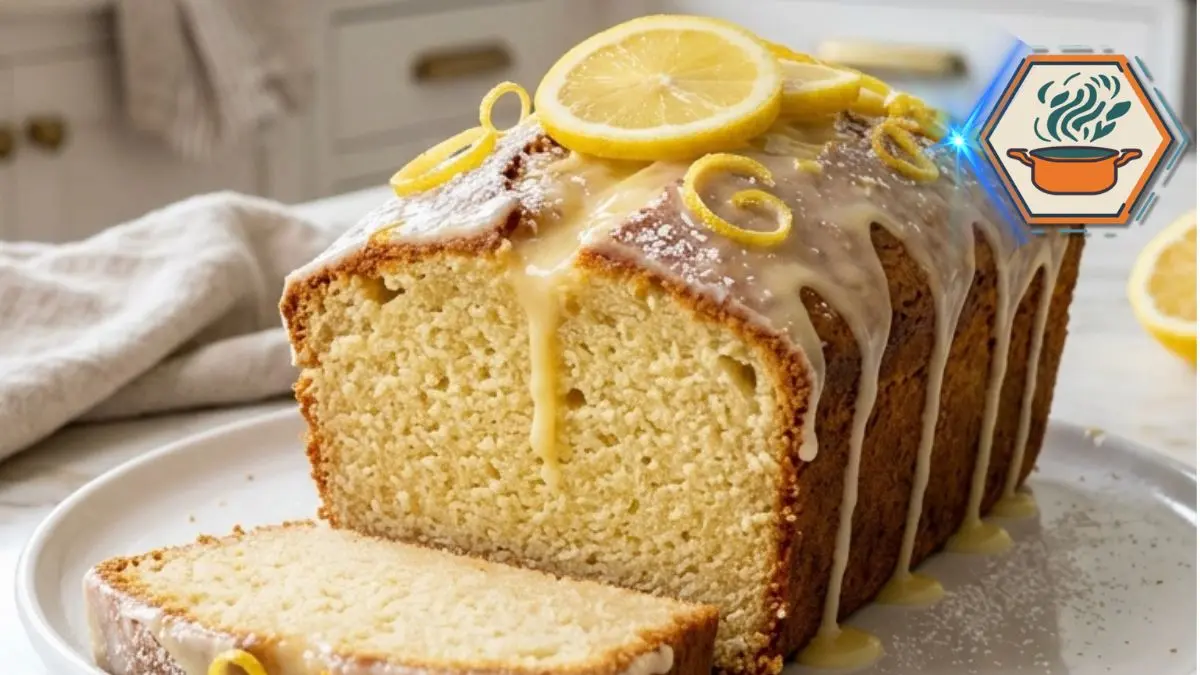
There is something timeless about the aroma of fresh lemons baking in the oven. It fills the kitchen with warmth, inviting everyone to gather around before the cake has even cooled. This Lemon Yogurt Cake is inspired by classic European bakery loaf cakes known for their delicate crumb, bright citrus flavor, and irresistible moist texture.
Unlike many lemon cakes that become dry after a day, this recipe uses creamy yogurt to keep every slice soft and tender. Fresh lemon juice and fragrant zest add a refreshing taste, while a smooth lemon glaze creates the beautiful finish that makes this loaf look as impressive as it tastes.
Whether you’re preparing brunch, celebrating Mother’s Day, serving afternoon tea, or simply craving a homemade dessert, this bakery-style lemon yogurt loaf is an easy recipe you’ll want to bake again and again.
jump to
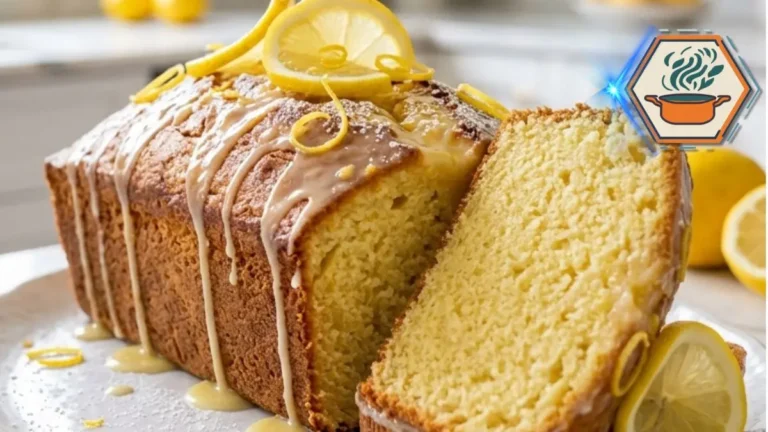
Best Lemon Yogurt Cake (Moist Bakery Style Recipe)
This Lemon Yogurt Cake is soft, incredibly moist, and packed with fresh lemon flavor. Made with creamy full-fat yogurt, fresh lemon zest, and a bright citrus glaze, this easy bakery-style loaf is perfect for breakfast, brunch, afternoon tea, or dessert.
- Total Time: 1 hour
- Yield: 10 slices
Ingredients
Cake
- 1 cup (245 g) full-fat plain yogurt, room temperature
- 1 cup (200 g) granulated sugar
- 3 large eggs, room temperature
- ½ cup (120 ml) vegetable oil
- 2 tbsp (30 ml) fresh lemon juice
- 1 tbsp finely grated lemon zest
- 1 tsp pure vanilla extract
- 1½ cups (190 g) all-purpose flour
- 1 tbsp cornstarch (recommended for a softer crumb)
- 2 tsp baking powder
- ¼ tsp fine salt
Lemon Glaze
- 1 cup (120 g) powdered sugar
- 2 tbsp fresh lemon juice
Decoration
- Thin lemon slices
- Lemon zest curls
- Powdered sugar
Instructions
Step 1
Preheat oven to 350°F (175°C).
Grease a 9×5-inch loaf pan with butter or baking spray.
Line with parchment paper leaving an overhang.
Step 2
Whisk together
- yogurt
- sugar
- eggs
for about 2 minutes until smooth.
Step 3
Add
- vegetable oil
- vanilla
- lemon juice
- lemon zest
Mix until combined.
Step 4
In another bowl whisk
- flour
- baking powder
- salt
- cornstarch
Step 5
Fold dry ingredients gently into wet ingredients.
Mix only until no dry flour remains.
Do not overmix.
Step 6
Pour batter into prepared loaf pan.
Tap gently on the counter.
Optional:
Run a butter knife through the center to encourage the classic bakery crack.
Step 7
Bake 40–45 minutes.
Internal temperature should reach approximately 205°F (96°C).
Step 8
Cool inside pan for 15 minutes.
Transfer to a cooling rack.
Cool completely.
Step 9
Mix powdered sugar and lemon juice until smooth.
Pour glaze over cooled loaf.
Decorate.
Serve.
Notes
✔ Use full-fat yogurt for maximum moisture.
✔ Always use room temperature ingredients.
✔ Fresh lemon juice gives a much brighter flavor than bottled juice.
✔ Spoon and level flour instead of scooping.
✔ Allow the loaf to cool completely before glazing.
✔ This cake tastes even better the following day.
✔ Store in an airtight container.
- Prep Time: 15 minutes
- Cook Time: 45 minutes
- Category: Breakfast
- Method: Baking
- Cuisine: European
- Diet: Vegetarian
Why You’ll Love This Lemon Yogurt Cake
This recipe combines simple pantry ingredients to create an elegant dessert that looks and tastes like it came from a professional bakery.
You’ll love it because it is:
- Wonderfully moist for several days
- Packed with fresh lemon flavor
- Light and fluffy
- Easy enough for beginners
- Beautiful for spring and summer gatherings
- Perfect with coffee or tea
- Made without complicated techniques
The yogurt is the secret ingredient. Its natural acidity softens the gluten in the flour, creating a tender crumb while adding subtle richness without making the cake heavy.
Ingredients
For the Cake
- 1 cup full-fat plain yogurt (room temperature)
- 1 cup granulated sugar
- 3 large eggs (room temperature)
- ½ cup neutral vegetable oil
- 2 tablespoons freshly squeezed lemon juice
- 1 tablespoon finely grated lemon zest
- 1½ cups all-purpose flour
- 2 teaspoons baking powder
- ¼ teaspoon salt
- 1 teaspoon pure vanilla extract (recommended for balancing the lemon flavor)
- 1 tablespoon cornstarch (optional but highly recommended for an even softer crumb)
For the Lemon Glaze
- 1 cup powdered sugar
- 2 tablespoons fresh lemon juice
Decoration
- Thin lemon slices
- Lemon zest curls
- Light dusting of powdered sugar
Kitchen Equipment
For the best results, prepare the following:
- 9 x 5-inch loaf pan
- Parchment paper
- Mixing bowls
- Fine grater or microplane
- Whisk
- Rubber spatula
- Cooling rack
Lining the pan with parchment paper makes removing the cake much easier and helps preserve its beautiful shape.
Step-by-Step Instructions
Step 1: Prepare the Oven
Preheat your oven to 350°F (175°C).
Grease the loaf pan with butter or baking spray, then line it with parchment paper, leaving extra paper hanging over the sides for easy lifting.
Step 2: Prepare the Wet Ingredients
In a large mixing bowl, whisk together:
- Yogurt
- Sugar
- Eggs
Whisk for about two minutes until the mixture becomes smooth and slightly lighter in color.
Add:
- Vegetable oil
- Vanilla extract
- Lemon juice
- Lemon zest
Continue whisking until fully combined.
Tip: Always zest the lemons before squeezing them.
Step 3: Mix the Dry Ingredients
In another bowl combine:
- Flour
- Baking powder
- Salt
- Cornstarch (if using)
Whisk everything together to distribute the baking powder evenly.
Step 4: Combine
Gradually fold the dry ingredients into the wet mixture using a spatula.
Mix only until no dry flour remains.
Avoid overmixing.
Too much mixing develops gluten and creates a dense loaf instead of a soft bakery-style cake.
Step 5: Fill the Pan
Pour the batter into the prepared loaf pan.
Tap the pan gently on the counter once or twice to remove large air bubbles.
For a professional-looking split on top, lightly run a buttered knife down the center of the batter before baking.
Step 6: Bake
Bake for 40 to 45 minutes.
The cake is ready when:
- The top is golden.
- The center springs back when lightly touched.
- A toothpick inserted in the middle comes out clean or with only a few moist crumbs.
If the top browns too quickly, loosely cover it with aluminum foil during the final 10 minutes.
Step 7: Cool
Allow the cake to cool inside the pan for 15 minutes.
Carefully lift it out using the parchment paper and transfer it to a wire rack.
Never glaze a hot cake, as the icing will melt completely instead of forming the beautiful thick drips shown in bakery displays.
Making the Lemon Glaze
Whisk together:
- Powdered sugar
- Fresh lemon juice
The glaze should be thick but pourable.
If it is too thick, add a few drops of lemon juice.
If it becomes too thin, mix in additional powdered sugar.
Pour the glaze slowly over the cooled loaf, allowing it to drip naturally down the sides.
Decorate with lemon slices and delicate curls of fresh zest.
The glaze will set after about 20 minutes.
Baker’s Tips for the Perfect Bakery Texture
Professional bakers rely on small details that make a huge difference.
Use Room Temperature Ingredients
Cold eggs and yogurt prevent the batter from mixing evenly.
Allow refrigerated ingredients to sit out for about 30 minutes before baking.
Choose Full-Fat Yogurt
Whole milk yogurt produces a richer flavor and noticeably softer crumb than low-fat varieties.
Greek yogurt may also be used, but thin it with one tablespoon of milk for a smoother batter.
Use Fresh Lemons
Fresh juice provides brighter flavor than bottled lemon juice.
Fresh zest contains aromatic oils that give the cake its signature citrus fragrance.
Do Not Overmix
Once the flour is added, stir gently.
A few tiny lumps are perfectly acceptable.
Measure Flour Correctly
Instead of scooping directly with the measuring cup, spoon the flour into the cup and level it with a knife.
Too much flour is one of the main reasons homemade cakes become dry.
Create a Beautiful Golden Crust
Brush the top lightly with a teaspoon of milk before baking.
This simple trick helps produce a richer golden color while keeping the interior moist.
Let the Cake Rest
Many bakers agree this cake tastes even better the following day because the lemon flavor continues to develop overnight.
Delicious Variations
Although the classic version is hard to beat, you can easily customize this recipe.
Try adding:
- Fresh blueberries
- Poppy seeds
- Raspberries
- White chocolate chips
- Almond extract
- Coconut flakes
- Fresh thyme for a sophisticated citrus flavor
Each variation keeps the same moist texture while offering a unique twist.
Serving Suggestions
This Lemon Yogurt Cake pairs beautifully with many drinks and desserts.
Serve it with:
- Fresh berries
- Whipped cream
- Vanilla ice cream
- Greek yogurt
- Hot tea
- Cappuccino
- Fresh lemonade
It also makes an elegant addition to brunch buffets, bridal showers, Easter celebrations, and baby showers.
Storage & Freezing
Store the cake in an airtight container at room temperature for up to 3 days.
For longer freshness, refrigerate for up to one week.
Allow refrigerated slices to return to room temperature before serving for the best texture.
To freeze:
- Wrap the unglazed loaf tightly in plastic wrap.
- Add a layer of aluminum foil.
- Freeze for up to 3 months.
Thaw overnight in the refrigerator and glaze before serving for the freshest presentation.
Frequently Asked Questions
Can I use Greek yogurt?
Yes. Full-fat Greek yogurt works well. Add one tablespoon of milk if the batter seems too thick.
Why is my cake dry?
Dry cake usually comes from too much flour, overmixing, or baking too long.
Can I make this recipe ahead?
Absolutely. Many people find the flavor improves after resting overnight.
Can I freeze the glazed cake?
Yes, although freezing the cake before glazing gives the best appearance after thawing.
Can I use bottled lemon juice?
Fresh lemon juice is strongly recommended because it delivers brighter flavor and better aroma.
This Lemon Yogurt Cake delivers everything you want from a homemade loaf: a soft, airy crumb, bright citrus flavor, and a glossy lemon glaze that turns a simple bake into a bakery-worthy centerpiece. Once you master this recipe, you’ll have a dependable favorite that’s just as welcome at breakfast as it is on a festive dessert table.