
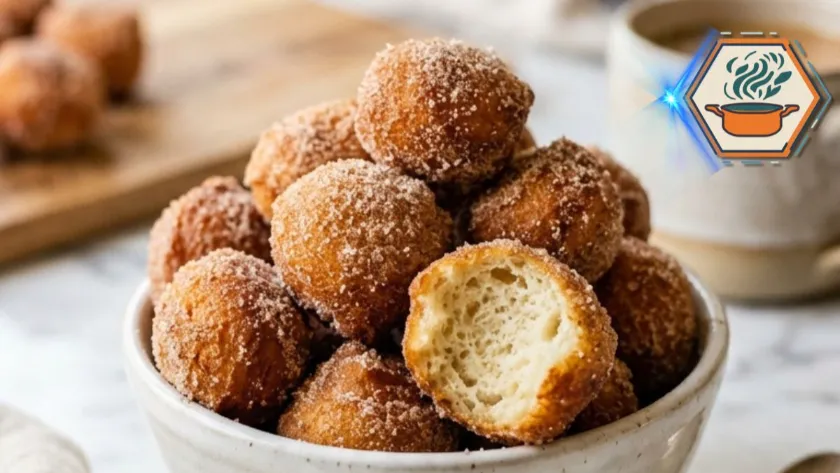
One quiet morning, all you want is something warm, sweet, and homemade. Not a long baking project or a dough that needs hours to rise. Just something simple that feels special. That is exactly where 2 Ingredient Donut Holes shine. Made with self-rising flour and yogurt, these quick homemade donut bites come together fast, fry up golden, and deliver a soft, tender center without yeast or a long ingredient list.There is something deeply satisfying about turning two basic ingredients into a plate of golden little bites.
One cup of self-rising flour. One cup of yogurt. That is the heart of it. The dough comes together fast, and because self-rising flour already contains baking powder and salt, it is built to puff up without yeast.. King Arthur Baking and Bob’s Red Mill both note that self-rising flour includes flour, baking powder, and salt, which is why it works so well in quick dough recipes. Early in the process, it also helps to understand the science of frying and dough texture from trusted food sources such as USDA food safety guidance and King Arthur’s baking resources.
There is something deeply satisfying about turning two basic ingredients into a plate of golden little bites. One cup of self-rising flour and one cup of yogurt are the heart of the recipe. The dough comes together quickly, and self-rising flour already includes baking powder and salt, so it can puff up without yeast.
King Arthur Baking explains that self-rising flour contains flour, baking powder, and salt and is often milled from softer wheat for a more tender result, while Bob’s Red Mill also notes that self-rising flour is designed for light quick-bread style recipes. For frying, USDA guidance is a useful reference point for safe hot-oil cooking and temperature control.2 Ingredient Donut Holes and the joy of making something warm fast
That first bowl of dough often surprises people. It does not look fancy. It does not ask for yeast, butter, or a long list of pantry items. Yet a simple yogurt dough can still produce a soft, tender result. Greek yogurt often makes the dough easier to handle because it is thicker and lower in moisture than regular plain yogurt, while plain yogurt can give a softer, looser dough. Serious Eats and King Arthur both point to yogurt’s moisture and body as useful qualities in baked doughs and batters. That is part of the magic here: the recipe feels small, but the payoff feels generous.
If you enjoy simple comfort recipes like this, you can also find related easy homemade ideas on RecipesMind, such as 3 ingredient banana bread or crispy pancake recipe, both of which speak to the same kind of quick kitchen confidence. And for readers who enjoy learning the small details that improve texture, secret to crunchy cookies is another helpful stop.
Print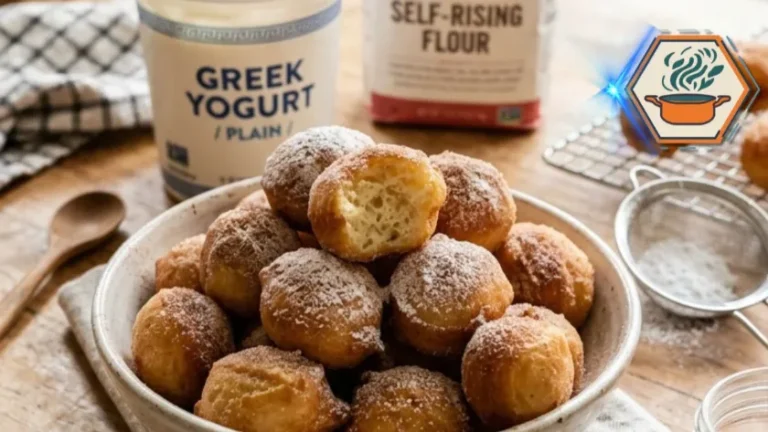
2 Ingredient Donut Holes
These 2 Ingredient Donut Holes are warm, golden, and surprisingly easy to make with just self-rising flour and yogurt. They fry up with a lightly crisp outside and a soft, tender center, making them perfect for a quick homemade breakfast or sweet snack.
- Total Time: 20 minutes
- Yield: 12 donut holes
Ingredients
1 cup self-rising flour
1 cup plain yogurt or Greek yogurt
neutral oil, for frying
cinnamon sugar, powdered sugar, honey, or chocolate drizzle for serving (optional)
Instructions
Add the self-rising flour and yogurt to a medium bowl. Stir until a soft dough forms.
Lightly flour a clean surface and knead the dough gently 3 to 4 times, just until it comes together smoothly.
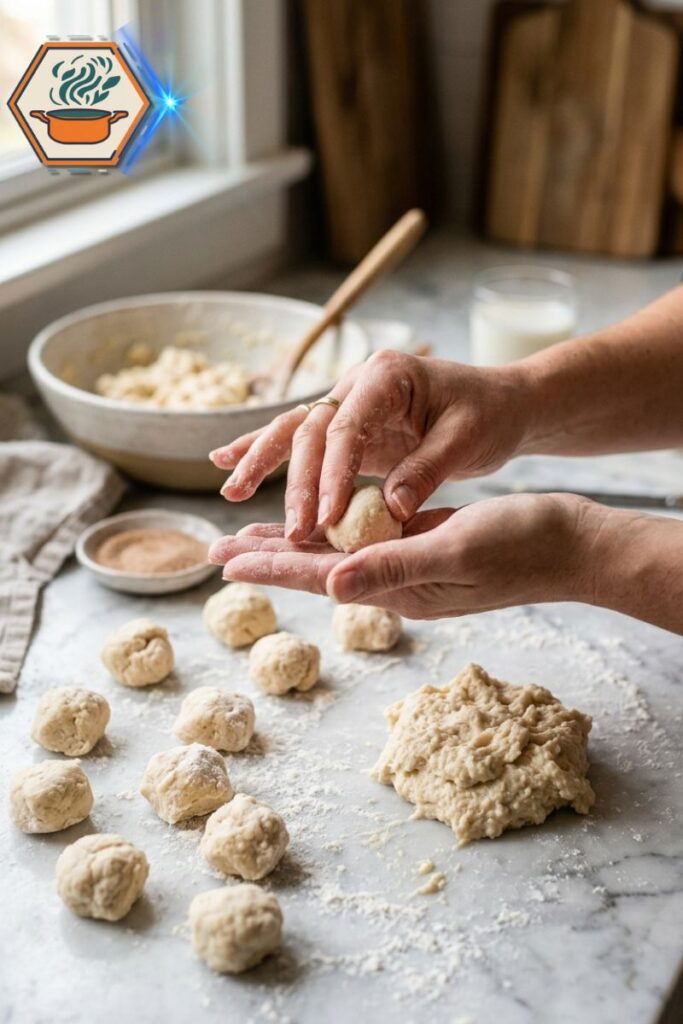
Pinch off small portions and roll into evenly sized balls.
Heat about 2 inches of neutral oil in a small deep pan to 350°F.
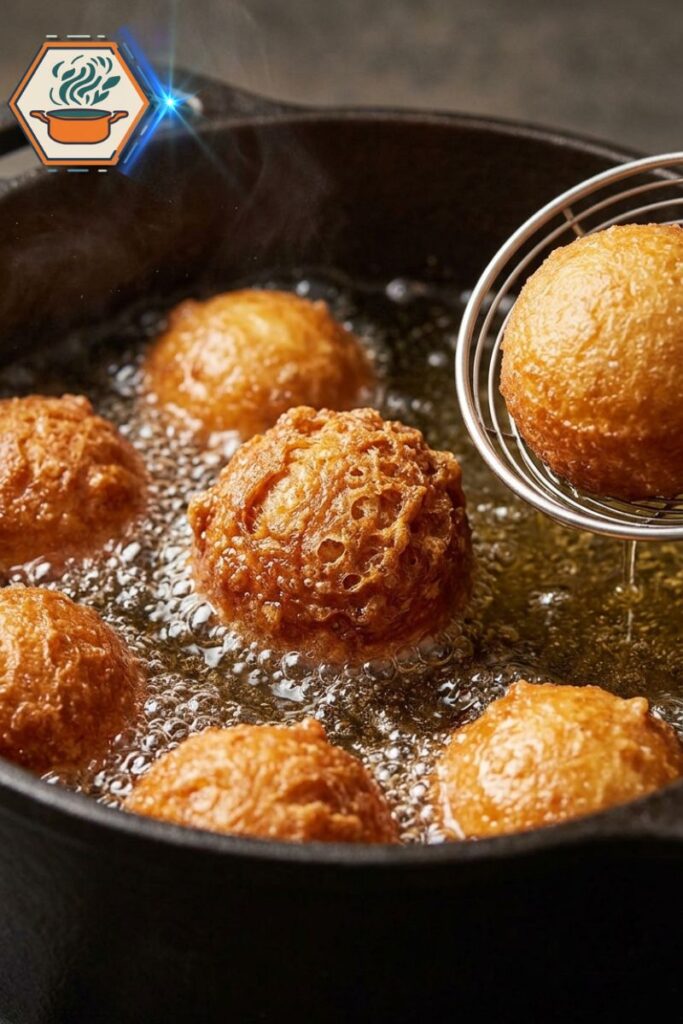
Fry the donut holes in small batches for 2 to 3 minutes per side, turning as needed, until golden brown and cooked through.
Transfer to a paper towel-lined plate.
Serve warm, plain or coated with cinnamon sugar, powdered sugar, honey, or chocolate drizzle.
Notes
Greek yogurt makes a thicker, easier-to-handle dough.
If the dough feels too sticky, dust your hands and work surface lightly with flour.
Keep the oil close to 350°F for the best texture.
These donut holes are best served warm the same day.
- Prep Time: 10 minutes
- Cook Time: 10 minutes
- Category: Breakfast
- Method: Fried
- Cuisine: American
- Diet: Vegetarian
JUMP TO
Why 2 Ingredient Donut Holes Work So Well
The reason this recipe connects with people is simple. It answers a real craving fast.
Many of us do not wake up planning to make donuts. The idea usually starts with a feeling. Maybe the house is quiet. Maybe the weather is cool. Maybe breakfast feels too ordinary. Then you remember there is yogurt in the fridge and self-rising flour in the pantry. In less time than it takes to drive to a bakery, the kitchen starts to smell warm and sweet.
That speed matters. Traditional yeast donuts can be wonderful, but they ask for time, planning, and patience. This recipe asks for none of that. There is no proofing stage. No stand mixer. No dough that takes over the whole afternoon. Instead, 2 Ingredient Donut Holes give home cooks a quicker path to something fresh and homemade.
They also feel approachable. Even beginners can make them. The dough is forgiving. The ingredients are easy to find. The process is short enough that it does not feel intimidating. That is why recipes like this become repeat recipes. They slip into real life.
Another reason they feel so comforting is their texture. These are not airy yeast donuts with a big open crumb. They are softer, a little more bread-like, tender inside, and lightly crisp outside when fried correctly. That difference matters because it sets the right expectation. Bob’s Red Mill and King Arthur both explain that self-rising flour contains leavening already, while King Arthur also notes that self-rising flour is often milled from softer wheat and has lower protein, which supports a more tender result.
So the real appeal is not that this recipe copies a bakery donut perfectly. It is that it offers a fast homemade version with its own charm. Warm. golden. soft. easy to share. Easy to repeat.
2 Ingredient Donut Holes Ingredients and Why They Matter
At first glance, the ingredient list looks almost too short.
- Self-rising flour
- Plain yogurt
But each ingredient carries more responsibility than it seems.
Self-rising flour is the quiet structure behind the recipe
Self-rising flour does three jobs at once. It gives the dough structure, it adds the leavening needed for lift, and it includes salt for balance. According to King Arthur Baking and Bob’s Red Mill, self-rising flour is flour blended with baking powder and salt, and King Arthur notes it is often lower in protein than all-purpose flour.
That lower protein can help keep the texture softer. In a recipe like this, where there is no yeast and no long kneading stage, that tenderness is a real advantage.
If you do not have self-rising flour, there is a simple homemade version. Bob’s Red Mill explains the same basic formula: for 1 cup of self-rising flour, use 1 cup all-purpose flour plus 1 1/2 teaspoons baking powder and 1/4 teaspoon salt.
Yogurt brings moisture, tenderness, and body
Yogurt is not just there to replace milk or water. It changes the feel of the dough.
Plain yogurt adds moisture and a gentle tang. Greek yogurt, because it is strained and thicker, creates a dough that is easier to shape and often feels less sticky. Serious Eats explains that Greek yogurt is essentially plain yogurt with water removed, resulting in a thicker texture, while King Arthur notes Greek yogurt can often be swapped in when adjusted for thickness.
That is why many home cooks like thick Greek yogurt here. The dough tends to come together in a neater, more manageable way.
The balance between the two ingredients matters
This recipe is simple, but not careless. If your yogurt is thin, the dough may feel sticky. If you add too much flour while shaping, the donut holes can become heavier. The goal is a soft dough that still holds its shape.
A good way to think about it is this:
- Too wet, and the dough becomes hard to roll
- Too dry, and the fried centers may feel dense
- Just right, and the dough puffs gently in the oil
That is the sweet spot.
If you like understanding how ingredient balance changes texture, you may also enjoy milk in meatloaf or bone broth preparation guide, where a few small choices change the final result more than people expect.
How to make 2 Ingredient Donut Holes step by step
The best part of this recipe is how calm the method feels.
Mix the dough
Add the self-rising flour and plain yogurt to a bowl. Stir until a soft dough forms. It may look a little shaggy at first. That is normal. You do not need to beat it smooth. You only need the flour to hydrate and the dough to come together.
Knead lightly
Dust a clean surface with a little flour. Turn out the dough and knead it gently about three or four times. This short knead helps it hold together without making it tough.
That part matters. Overworking flour can strengthen gluten too much, which can make the final texture firmer than you want. A short knead keeps the dough soft.
Shape small balls
Pinch off small pieces and roll them into balls. Keeping them similar in size helps them cook evenly. Small donut holes are easier to fry through than large ones, especially in a quick dough like this.
Heat the oil carefully
Use a small pan with enough oil for the dough balls to float and turn. USDA food safety guidance notes that deep-fat frying relies on very hot oil, and its kitchen guidance includes 350°F as a standard deep-frying temperature in many home-cooking contexts. A thermometer helps, because oil that is too cool can make the dough greasy, while oil that is too hot can brown the outside before the center cooks. USDA deep-fat frying guidance is also useful for understanding safe hot-oil cooking at home.
Fry until golden
Add a few dough balls at a time. Do not crowd the pan. Fry for about 2 to 3 minutes per side, turning as needed, until they are golden brown.
This is the moment when the kitchen changes. The outside takes on color. The dough lifts. The scent becomes impossible to ignore.
Drain and serve warm
Move the donut holes to a plate lined with paper towels. Serve them plain or finish them while warm with:
- Cinnamon sugar
- Powdered sugar
- Honey drizzle
- Chocolate drizzle
Warm donut holes hold toppings well, and the texture is at its best right after frying.
Common 2 Ingredient Donut Holes Mistakes to Avoid
Simple recipes can still go wrong when one small detail gets missed. Luckily, the common problems are easy to understand.
The dough is too sticky
This usually happens because the yogurt has more moisture than expected. Regular plain yogurt can vary from brand to brand. Greek yogurt is usually thicker and easier to manage because more liquid has been strained out.
Fix it by dusting the surface lightly and using just enough flour to shape the dough. Do not keep adding large amounts.
The outside browns too fast
This is almost always an oil temperature issue. USDA guidance on deep frying stresses the importance of managing oil heat, and a thermometer designed for deep frying helps track that range. If the outside darkens quickly, lower the heat slightly and let the oil stabilize before frying the next batch.
The centers feel dense
There are a few possible reasons:
- Too much extra flour was added during shaping
- The dough was overmixed or overkneaded
- The donut holes were shaped too large
- The oil was too hot and the centers did not cook through
Each one points back to balance. This recipe works best when handled gently.
The donut holes feel greasy
Oil that is too cool is usually the reason. When dough sits in oil that is not hot enough, it absorbs more fat before the outside sets. Keeping the oil in a proper frying range helps the crust form faster.
The texture is not like a bakery donut
That part is not really a mistake. It is just the nature of the recipe. These donut holes are softer and more bread-like than yeast-raised donuts. Once you expect that, they become easier to love for what they are.
And what they are is very good: quick, warm, homemade, and deeply comforting.
Best Toppings and Flavor Variations for 2 Ingredient Donut Holes
One of the best things about 2 Ingredient Donut Holes is how easy they are to customize. The base recipe is simple, but the finish can completely change the experience.
For a classic homemade flavor, toss the warm donut holes in cinnamon sugar right after frying. If you want something lighter, a dusting of powdered sugar gives them a soft bakery-style finish. For a richer dessert feel, try a warm chocolate drizzle, a little honey, or even a spoonful of fruit jam on the side.
You can also change the dough experience slightly by using thick Greek yogurt for a firmer dough or regular plain yogurt for a softer one. Some home cooks add a small splash of vanilla or a pinch of cinnamon, but the true beauty of this recipe is that the two-ingredient base stays simple and flexible.
Popular serving ideas include:
- cinnamon sugar donut holes
- powdered sugar donut holes
- chocolate-drizzled donut holes
- honey-glazed donut holes
- donut holes served with jam or fruit dip
This keeps 2 Ingredient Donut Holes easy enough for a weekday treat but special enough for brunch, holidays, or a cozy weekend breakfast.
FAQ About 2 Ingredient Donut Holes
Can I make 2 Ingredient Donut Holes with regular flour?
Not exactly, unless you turn it into a self-rising flour substitute. Self-rising flour already contains baking powder and salt, which helps the dough puff up properly. A common homemade version uses all-purpose flour with baking powder and salt mixed in. King Arthur and Bob’s Red Mill both explain this basic self-rising flour formula.
Is Greek yogurt better than plain yogurt for donut holes?
Greek yogurt is often easier to work with because it is thicker and contains less moisture. That usually makes the dough less sticky and easier to shape. Regular plain yogurt can still work, but the dough may need a little more care when handling.
Why are my 2 Ingredient Donut Holes dense?
Dense donut holes usually happen when too much extra flour is added, the dough is overworked, or the oil is too hot and the centers do not cook properly. Keeping the dough soft and the oil steady helps a lot.
Can I bake or air fry 2 Ingredient Donut Holes instead of frying?
You can, but the texture will be different. Fried donut holes get a lightly crisp outside and a more classic donut-like finish. Baked or air-fried versions are usually more bread-like and less rich.
How do I know when donut holes are done?
They should be golden brown on the outside and cooked through in the center. Smaller, evenly sized dough balls make this easier. Frying at about 350°F helps the outside brown at the right pace while the middle finishes cooking.
Can I make the dough ahead of time?
You can mix the dough a little ahead, but this recipe is best when cooked soon after shaping. Freshly fried donut holes have the best texture.